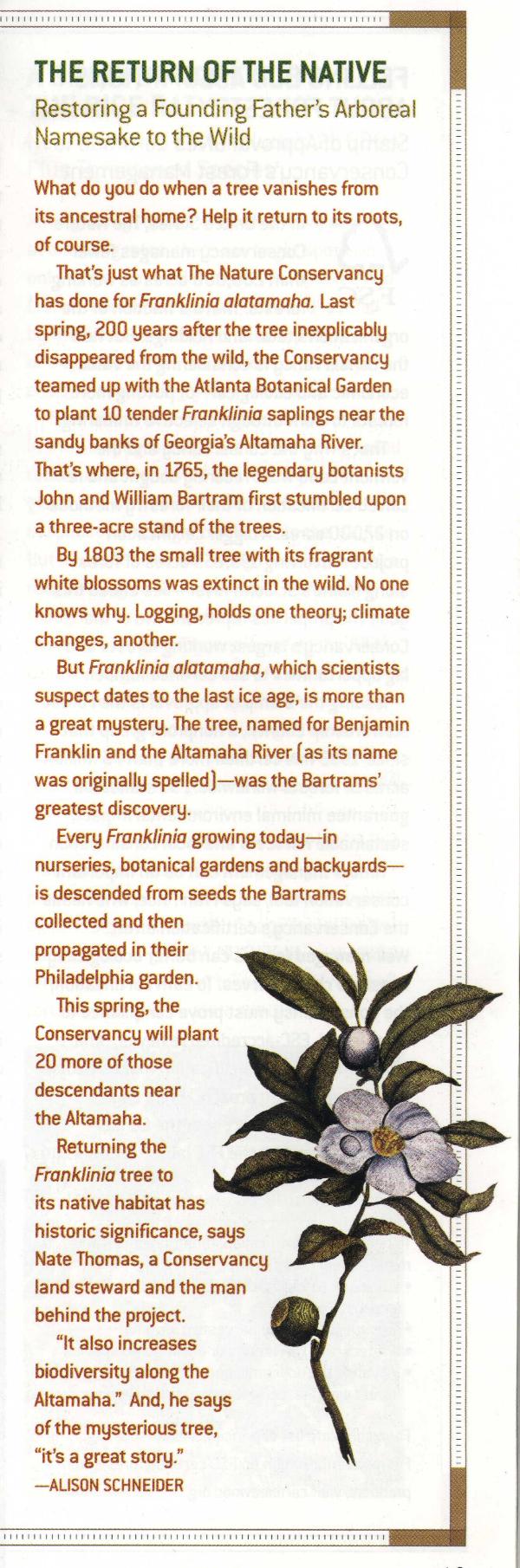
Nature Conservancy ("Sightings", Spring 2003, page 13)project returns the Franklina to its origins on the banks of the Altamaha River.
Franklinia News and Links
Nature Conservancy ("Sightings", Spring 2003, page 13)project returns the Franklina to its origins on the banks of the Altamaha River.
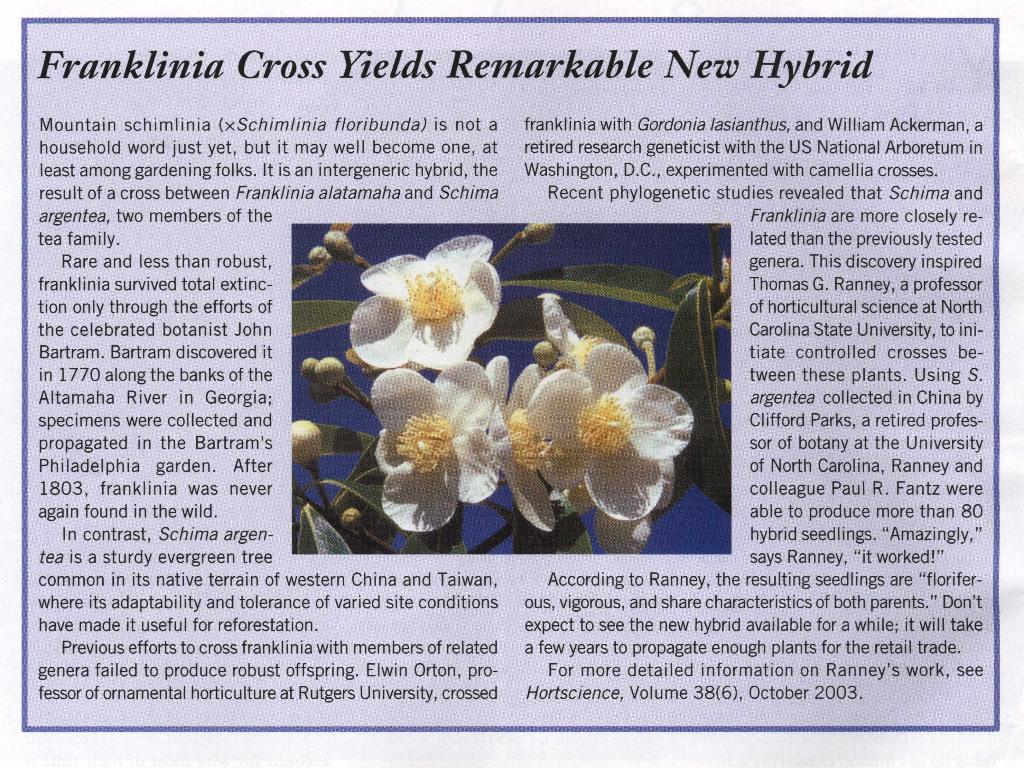
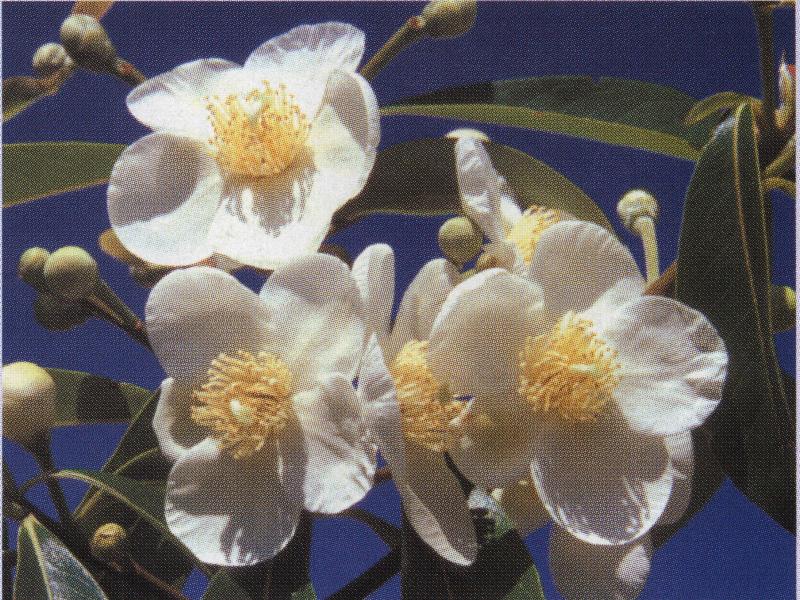
The American Gardener, May/June 2004 (Volume 83, Number 3), Gardener Notebook (page 48): Cross of Franklina and Schima argentea.
Against All Odds: Growing Franklinia in Boston (PDF) Arnold Arboretum's Arnoldia Volume 63 number 4, 2005 Centennial of their Franklinia tree.
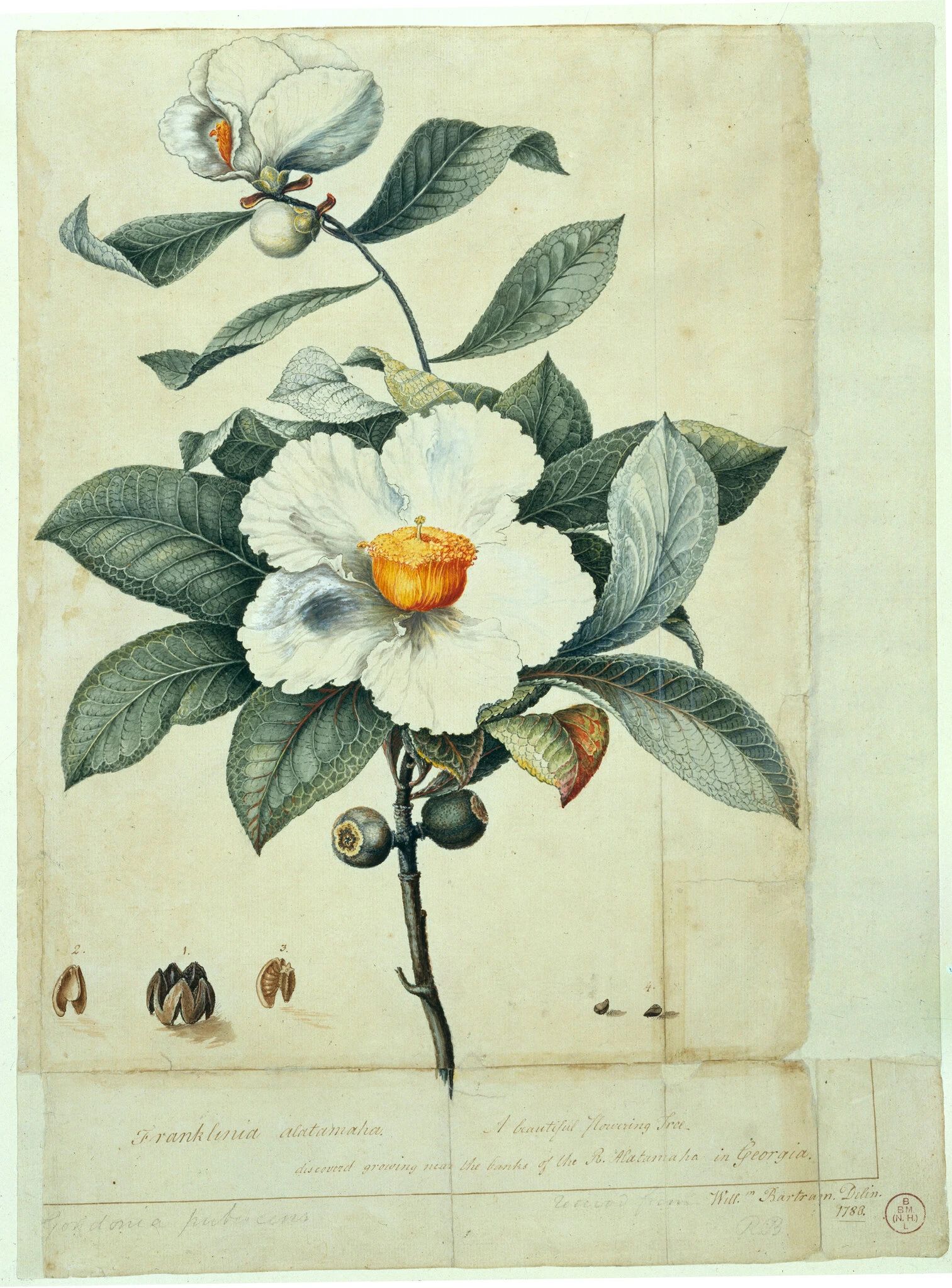
The Franklinia tree, discovered by John Bartram, King George III's botanist, and his son, William, in Georgia in 1765,
has not been seen in the wild since 1803.Credit...The Natural History Museum, London, from
The New York Times 10 16 2020 (PDF) How Many Plants Have We Wiped Out? Here Are 5 Extinction Stories.
Text of article on pages 108-109:
Bartram.pdf
(2 pages) , and maps (JPG) from page 33. Old book from BCLS, may be out of print.
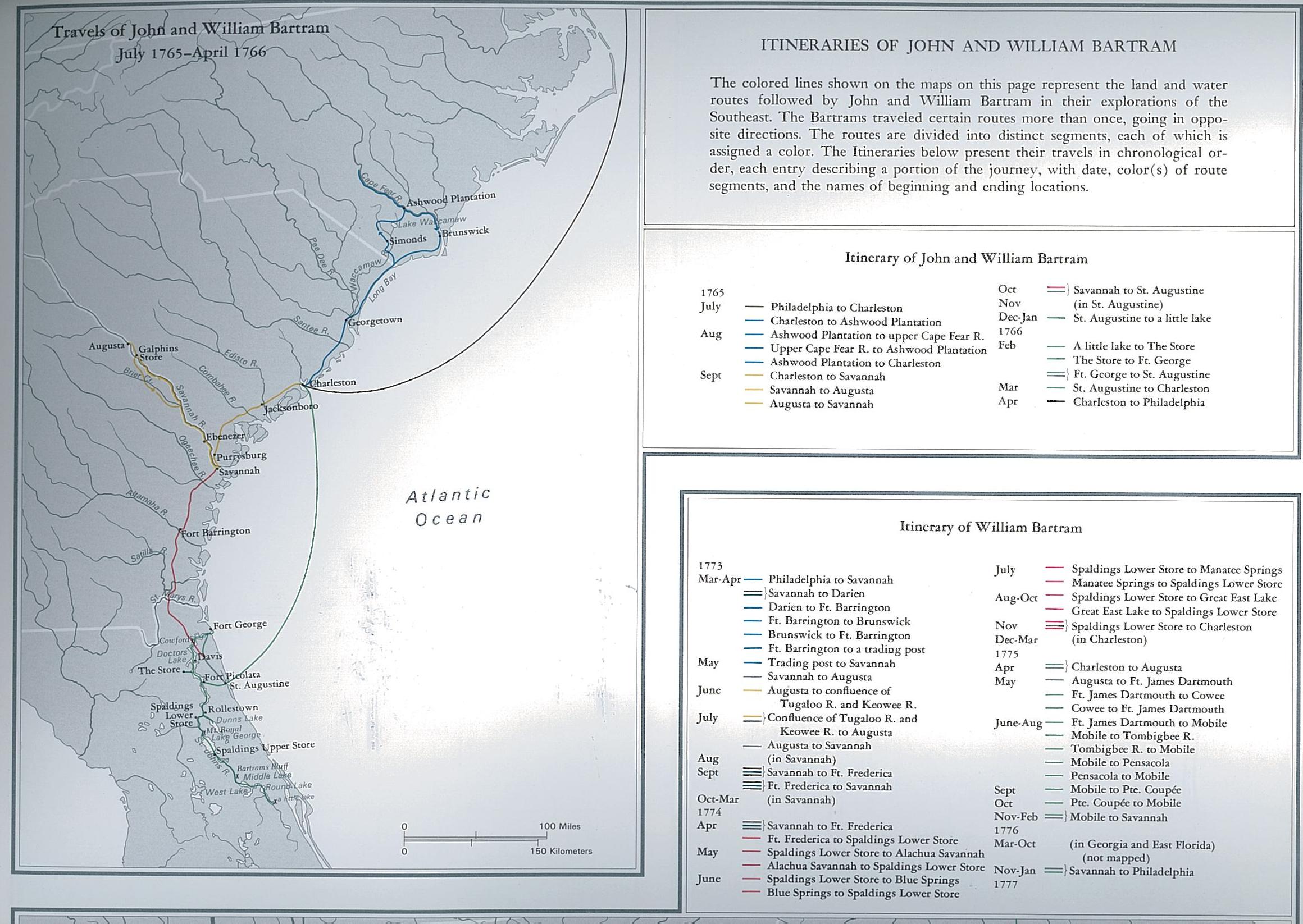
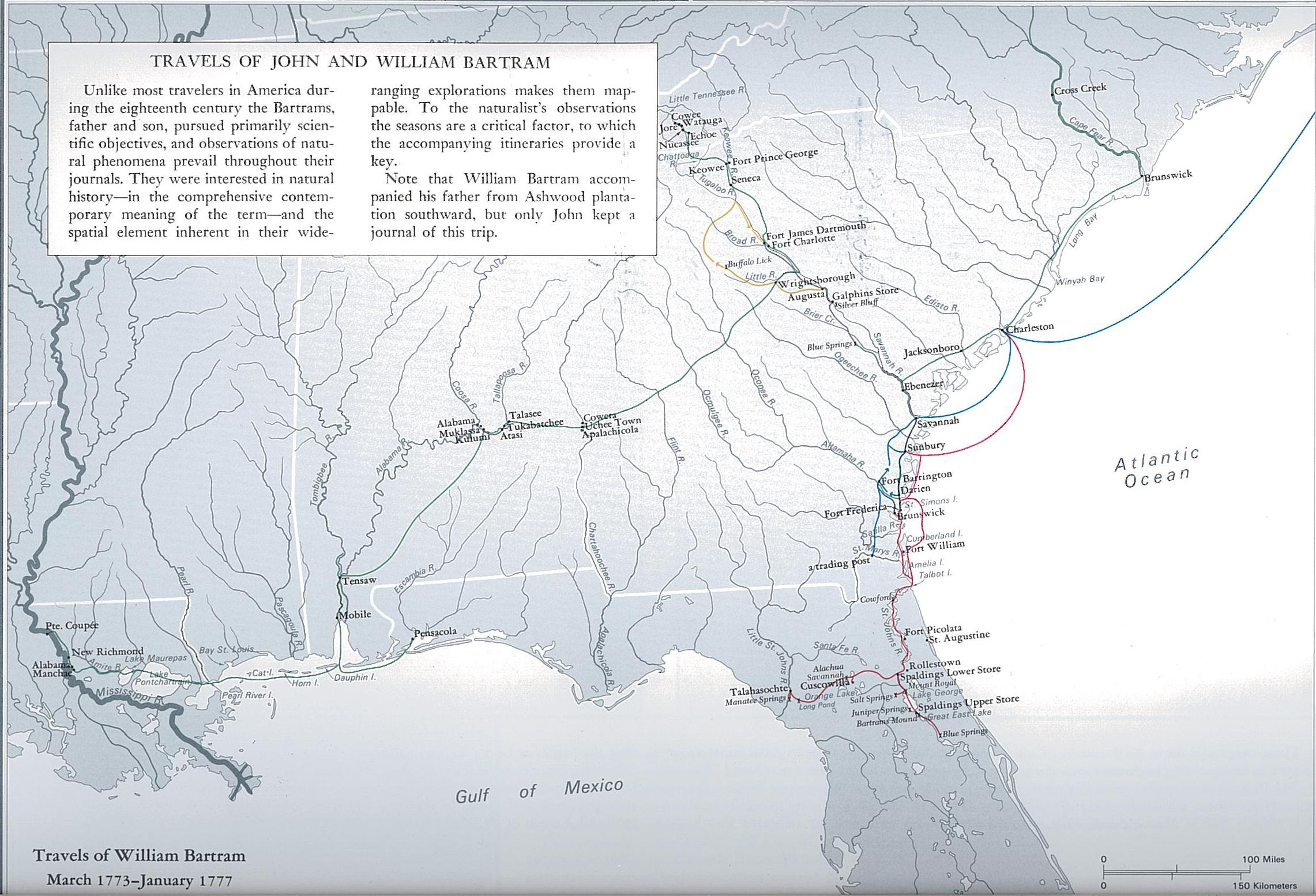
Franklinia found in Maryland: WROT If not longer available, here is a PDF: Franklinia found in Maryland
"We missed our way
and fell four miles below Fort Barrington," wrote botanist John Bartram on
October 1, 1765, while traveling in a swampy region on the coast of
southeast Georgia. Rarely in botanical history has so small a
peregrination lead to such fortuitous results. On that day Bartram
reported a plant new to science. The Mysterious Disappearance of the Franklin Trees. The
Enigmatic History of Franklinia alatamaha
Photo of a Historical marker with brief Franklinia
history
Larger Sizes (marker reads as below)
Franklinia Altamaha
The Franklin Tree (Franklinia Altahama) was discovered by John Bartram, the first Native American Botanist. On October 1, 1765, it was located about 18 miles south of here in the swamp lands of the Altahama River. This tree was names after Benjamin Franklin and became famous as the lost Franklinia. A member of the Camellia family, this flowering tree was last seen growing wild in 1790. A specimen transplanted to Bartram's garden in Philadelphia, PA survived and became the ancestors of the present cultivated plants.
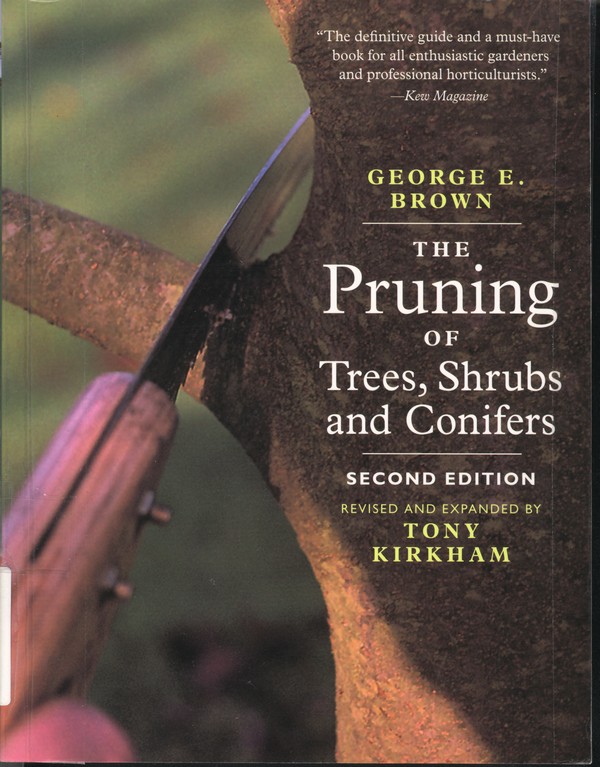
From book: F. alatamaha requires a sheltered woodland position in a very mild and favorable locality.It naturally develops an upright habit, and may reach a height ol 3 m. (10 ft.) or more. Specimens often display a tendency to branch from near the base, but there is no need to restrict growth to one stem. No regular pruning is necessary, apart from cutting back any growths from sheltering shrubs that overgrow it and compete for light.This should be done carefully to conceal the cuts, and to leave an informal effect.
Franklinia Links
The Bartram Trail Conference Map, history, more.
Historic Bartram's Garden - The Franklinia Story Drawing of flower & fruit, history. See other areas of site for more information.
Bartram Garden's Census
Historic Bartram's Gardens Franklinia list in alphabetical order. Taken earlier 2000's.
Franklinia Alatamaha US Postage Stamp Photo of US Postage Stamp 6¢ 3 Links
Wikipedia Article
Missouri Botanical Garden Description of Franklinia and its culture. Excellent source for plant information.
Oregon State University Description
Tree Trails Short history, photo
University of California, Davis: Rooting Database Rooting information. Click to Search, Click Genus, click F, click Franklinia.
University of Connecticut Plant Database Detailed description. Photos.
University of Florida Cooperative Extension Service Detail decription. US Range Map. There is a Franklinia at the University of Florida Leon County Extension Office arboretum (Thanks to Stan Rosenthal for letting me know).
University of Tennessee Tree Identification Tutorial Great photos, tree, fruit, etc., pronounce guide, and good general information.
Virginia Cooperative Extension Several Franklinia PDF.
America's 'First' Rare Plant The Franklinia Tree Excellent historical article. Also available on page 183 in this pdf:
Spring-Summer 2006 issue, from Terrain.org. Great photos, tree, fruit, etc., pronounce guide, and good general information.
Garden Web Botany Forum Forum discussion of the Franklinia.
Arnold's Arboretum Franklinia Article - PDF download 2005 Article in PDF form. Includes photos and drawing, and citation for further research.
Floridata Short history and cultivation information. Site says Franklinia is susceptibility to verticillium wilt disease. Suggest sowing seeds immediately.
Looking for the Franklinia-- Reprint of an article from American Forestery - after 200 years could a wild Franklinia be located.
NC Natural's William Bartram Profile - page 2 History.
University of North Carolina Library Bartram's Travels - Entire book
Franklinia Hybrid Hybrid of Franklinia and Schima argentea announced by NC State University.
New Georgia Encyclopedia Beautiful late summer-early fall photo
Tree of the Month PennStateExtension September 2012
NatureServe Explorer Detailed information. May need to "click here" and search Franklinia
Amasci.com Photos, history. See "Article" at bottom: Terrain.org Great deal of information and the 33 cent stamp.
NRCS USDA Plant Polfile
Landscape Plants Rated by Deer Resistance (Rutgers NJAES Cooperative Extension)
Landscape Plants Rated by Deer Resistance XLSX file (from above site)
Update: Saturday, 24 February 2024 - 14:50:37 EST/EDT (UTC -5/-4)
